Receive 24-hour pre-release access and buy at the early-bird rate when sales open.
*No spam - just Ticket & Event Updates
Seats are limited. Join the waitlist for first access when workshops drop
*No spam - just Ticket & Event Updates


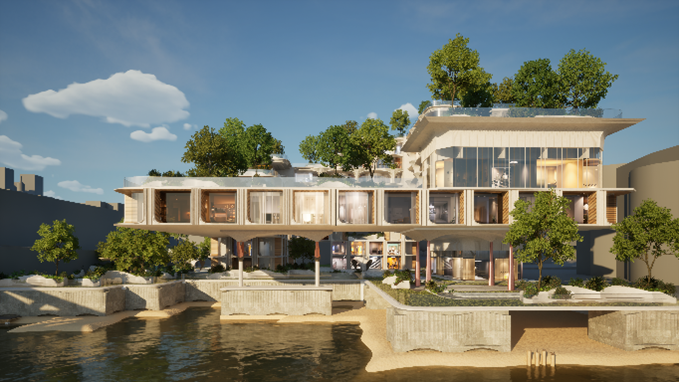
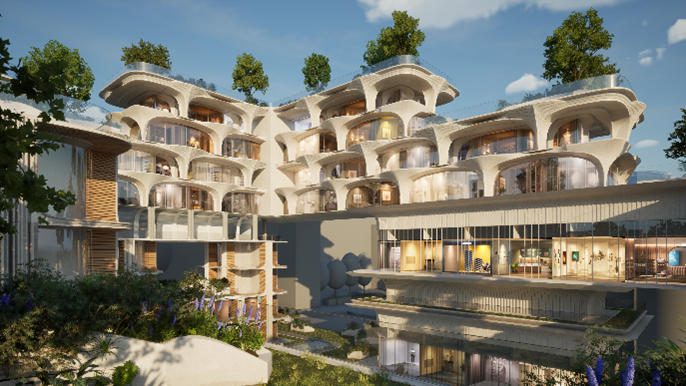
This workshop explores how architectural content can move from Rhino, Blender, and Maya into immersive, real-time, and multiplayer environments, using Unreal Engine as the primary runtime. It focuses on low-friction workflows for publishing spatial modules, optimised geometry, and saved states into high-fidelity experiences without re-authoring design intent. The session introduces modular systems, collaborative publishing, and Gaussian splatting for real-time visual quality, concluding with live demonstrations of shared immersive walkthroughs. Developed with ATN, Zaha Hadid Architects, Spaceform, and in partnership with Epic Games.
This workshop is designed to be accessible while still supporting advanced workflows. To participate effectively, attendees should meet the following requirements:
The workshop is suitable for students, emerging practitioners, and experienced designers interested in bridging traditional architectural modelling tools with real-time, immersive platforms.


Henry Louth
Senior Associate at Zaha Hadid Architects and co-lead of the Computation and Design (CODE) group, with extensive experience integrating computational workflows and real-time technologies into large-scale architectural projects.
Jianfei Chu
Lead Designer at ZHA working across research-led design, computational workflows, and game-tech-driven visualisation, linking parametric design intent with scalable production pipelines.
Ben Binru Wang
Member of ZHA’s Computation and Design Research Group (CODE), focusing on participatory platforms, modular systems, and digitally informed geometries for urban and architectural applications.
Jamil Al Bardawil
Architect within ZHA CODE specialising in parametric and tectonic-driven geometry, fabrication-aware systems, and participatory design platforms for complex architectural environments.
Jan Maarten Heuff
Co-founder and CEO of Spaceform, architect and technologist with over 25 years’ experience delivering immersive, real-time environments for leading global designers and developers.
Keenan Roman
Senior Technical 3D Artist at Spaceform, specialising in real-time architectural visualisation and digital twin development using Unreal Engine.
Jamie Noble
Lead Unreal Engine Programmer at Spaceform, focused on building immersive, multiplayer real-time environments that balance technical rigour with creative design.
This workshop presents a research-led approach to publishing architectural design into real-time, immersive, and collaborative environments, using Unreal Engine as the primary runtime platform. Developed with ATN, Zaha Hadid Architects, and Spaceform, and delivered in partnership with Epic Games, the session focuses on bridging traditional architectural modelling tools with high-fidelity, multiplayer spatial experiences.
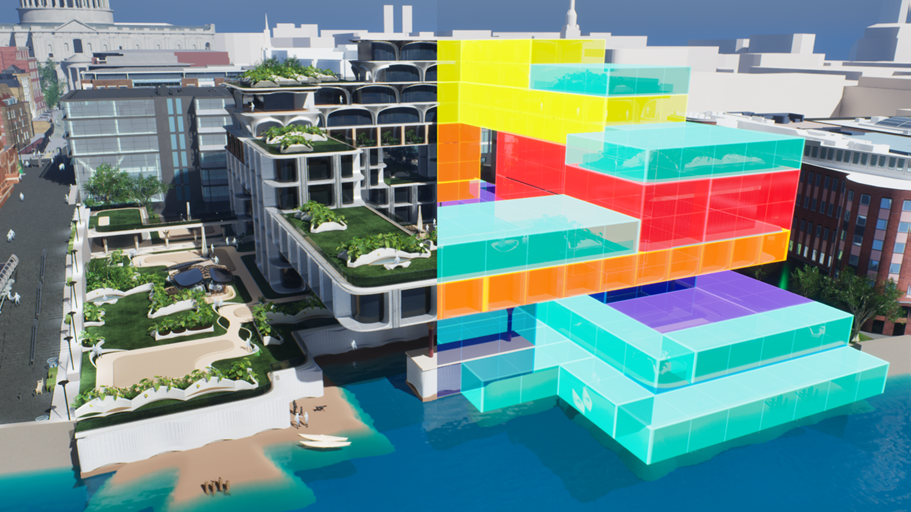
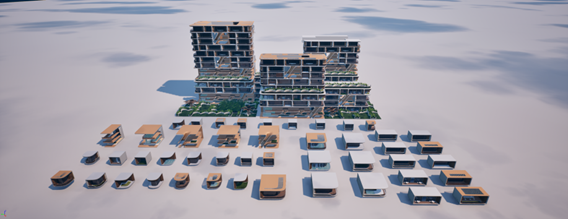
The workshop covers the full workflow from design authoring to real-time deployment, beginning with poly modelling and optimisation strategies in Rhino, Blender, and Maya, and progressing through massing, saved-state serialisation, and modular kit-of-parts design. Participants are introduced to spatial modules aligned with architectural tectonics, enabling configurable and participatory design scenarios while maintaining performance and design intent.
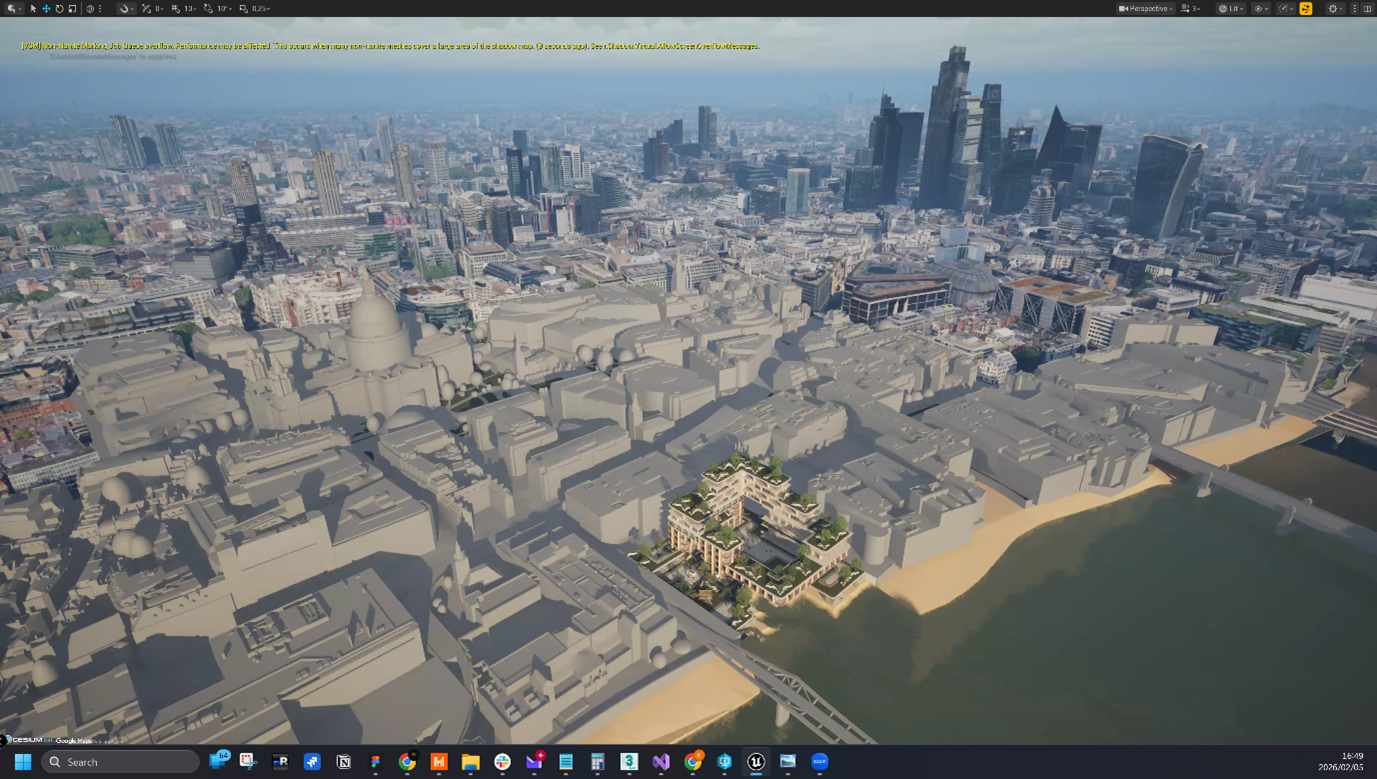
Publishing workflows are demonstrated through streamlined export and import pipelines into Unreal Engine, positioning the engine as a powerful delivery layer rather than a heavy authoring environment. The session also introduces Gaussian splatting as a real-time rendering technique, allowing near–NeRF visual quality from photographic or synthetic data while supporting interactive performance.
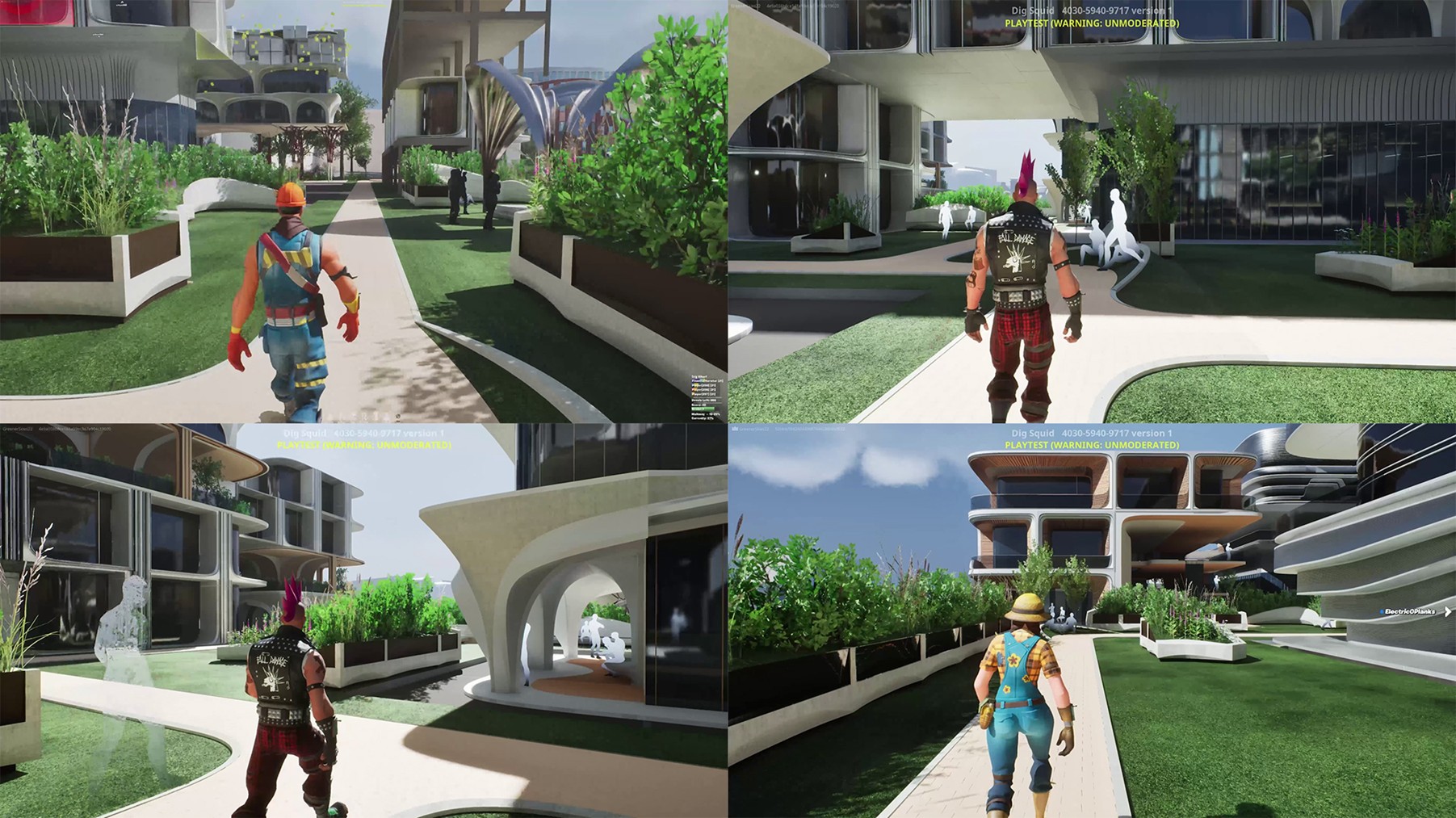
The workshop concludes with immersive walkthroughs of architectural environments, including shared and multiplayer experiences delivered via the web. It also outlines future pathways for extending these workflows toward Fortnite and UEFN-based environments, situating the work within broader research agendas around inclusivity, public engagement, and the future of real-time architectural practice.


Zaha Hadid Architects is internationally recognised for its pioneering approach to architecture, design, and advanced computation, delivering projects across architecture, urbanism, interiors, and infrastructure at a global scale.
Central to this innovation is ZHA’s Computation and Design group (CODE) — a research-led team embedded within the practice that develops advanced digital workflows, computational systems, and experimental tools supporting both speculative research and live project delivery.
CODE operates at the intersection of architecture, computation, and emerging technologies, with research spanning parametric and tectonic systems, modular and participatory design, digital fabrication, and real-time, game-engine-driven environments. The team plays a key role in translating research into scalable, production-ready methodologies used across ZHA’s global projects.
A core focus of CODE’s work is bridging design intent with new modes of engagement, enabling architecture to be explored, configured, and experienced through immersive, interactive, and collaborative platforms.
Through CODE, Zaha Hadid Architects continues to act not only as a design practice, but as a research-driven organisation shaping the future of architectural tools and workflows.
10
Days
10
Hours
10
Mins
10
Secs
Prices increase in: