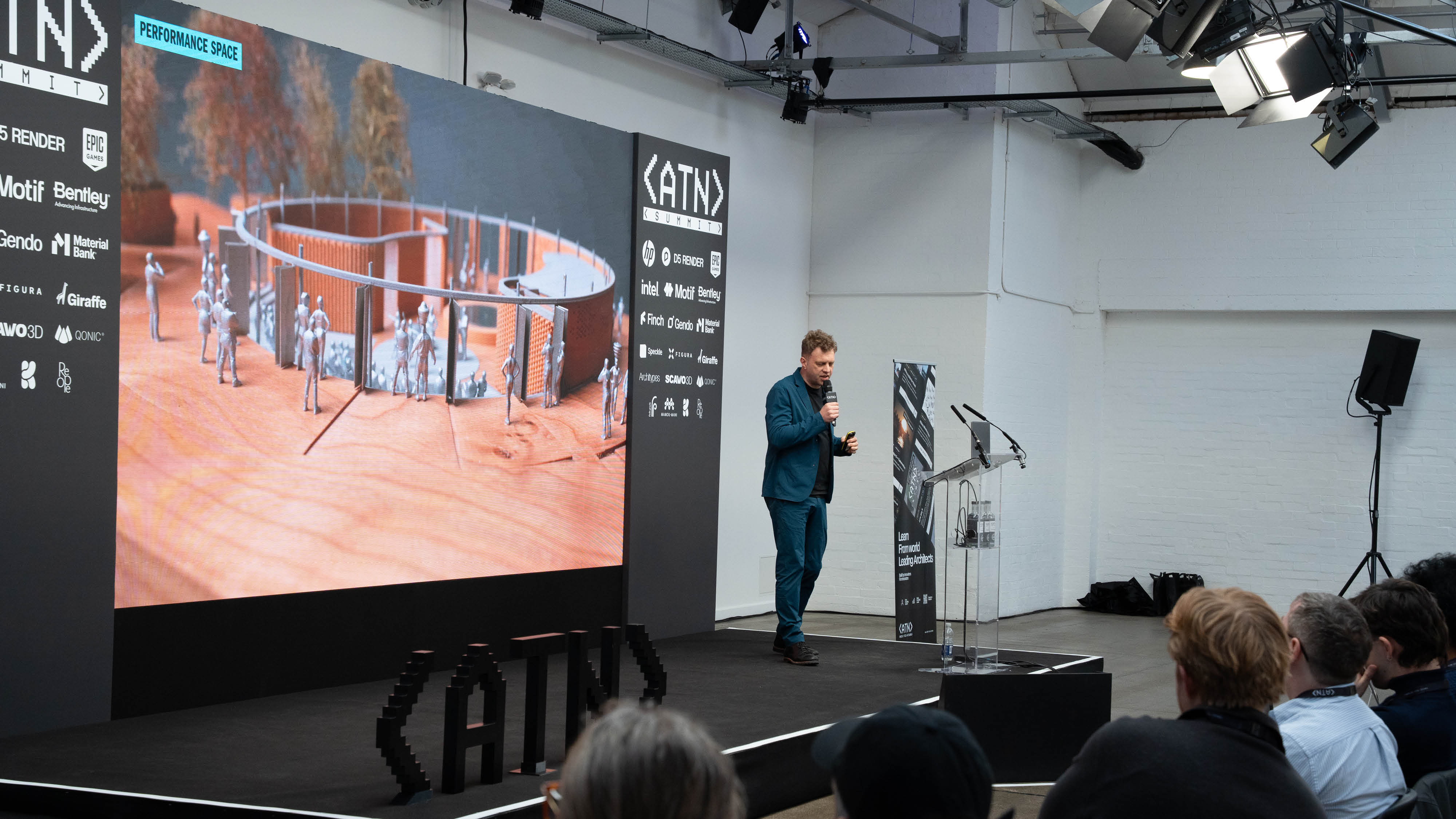
In this talk, Xavier shares the story of a very different kind of project: a pro bono music and arts centre designed for Bidi Bidi in northern Uganda, one of the world’s largest refugee settlements. Rather than focusing on headline technology or large commercial work, he shows how digital design, environmental analysis, and computational thinking became essential tools in delivering a meaningful, low-cost project in a highly constrained context.
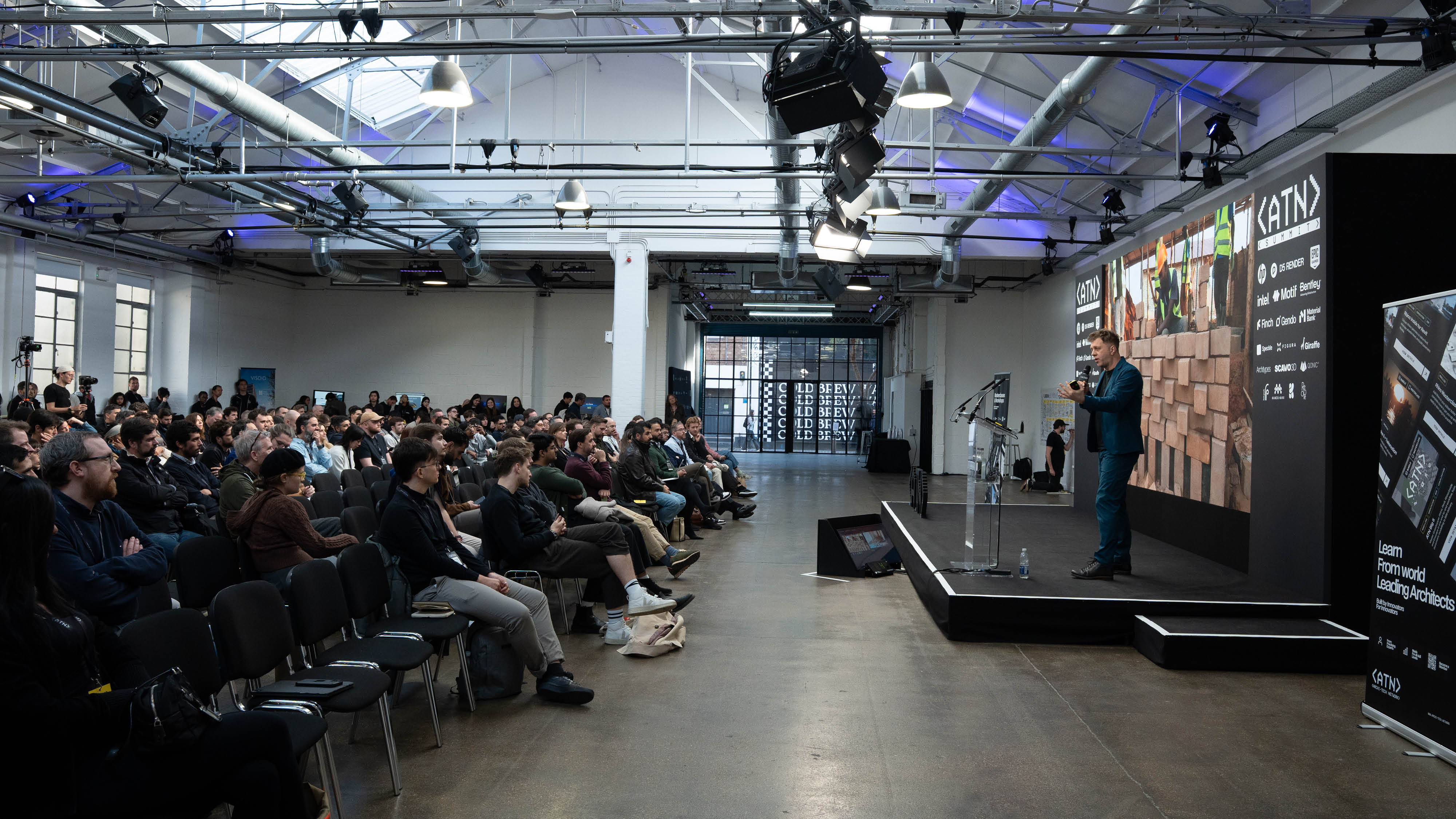
The talk explores how the team used technology not for spectacle, but to solve practical challenges around cost, climate, construction, acoustics, and community impact. From shaping the building around existing movement routes and a vital water source, to designing a roof that collects and filters rainwater, to using parametric tools to rationalise complex geometry and define every brick in the project, Xavier shows how advanced methods can support simple, robust, locally buildable architecture.
He also reflects on the importance of collaboration, working closely with local architects, builders, and community organisations to ensure the project could be delivered and truly owned by the people who use it. The result is a powerful example of how technology, when used thoughtfully, can help create architecture that is socially grounded, environmentally responsive, and full of hope.


%202.avif)








.avif)
















.avif)