Receive 24-hour pre-release access and buy at the early-bird rate when sales open.
*No spam - just Ticket & Event Updates
Seats are limited. Join the waitlist for first access when workshops drop
*No spam - just Ticket & Event Updates


I'm an architect with over 25 years of experience in urban design and large-scale residential development. As the Global Design Managing Director at Greystar, I lead Greystar’s design group and the company's global design vision, strategy, and innovation across 17 countries.Our purpose is to ensure that each residential community successfully integrates into the local neighbourhood and meets the aspirations of our residents. Collaborating closely with local teams, we provide design support to translate our vision into successful, impactful environments that resonate with residents and stakeholders alike.Prior to joining Greystar, I worked as a strategic design advisor on a large number of masterplans and residential-led developments in and around London, delivering successful communities in collaboration with internationally renowned architecture practices. From 2002-2015, I was a part-time 3rd year design degree studio leader at University of the Arts London and have been an invited architectural critic at the South Bank University, Oxford Brookes University and the Architectural Association.I am inspired by innovative solutions to complex housing challenges that help projects realise their full potential, successfully aligning resident experience and community needs with investment strategies.
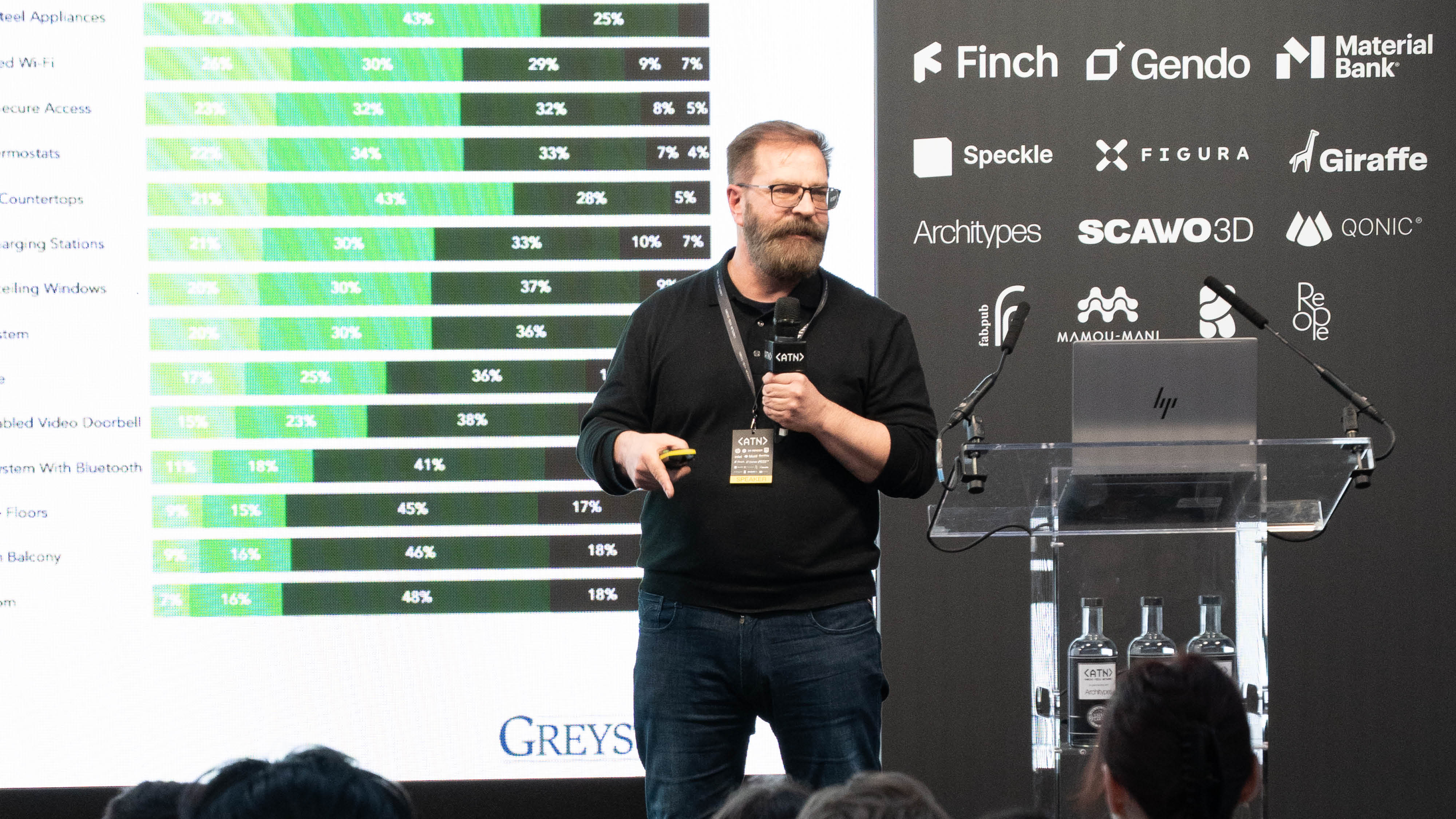
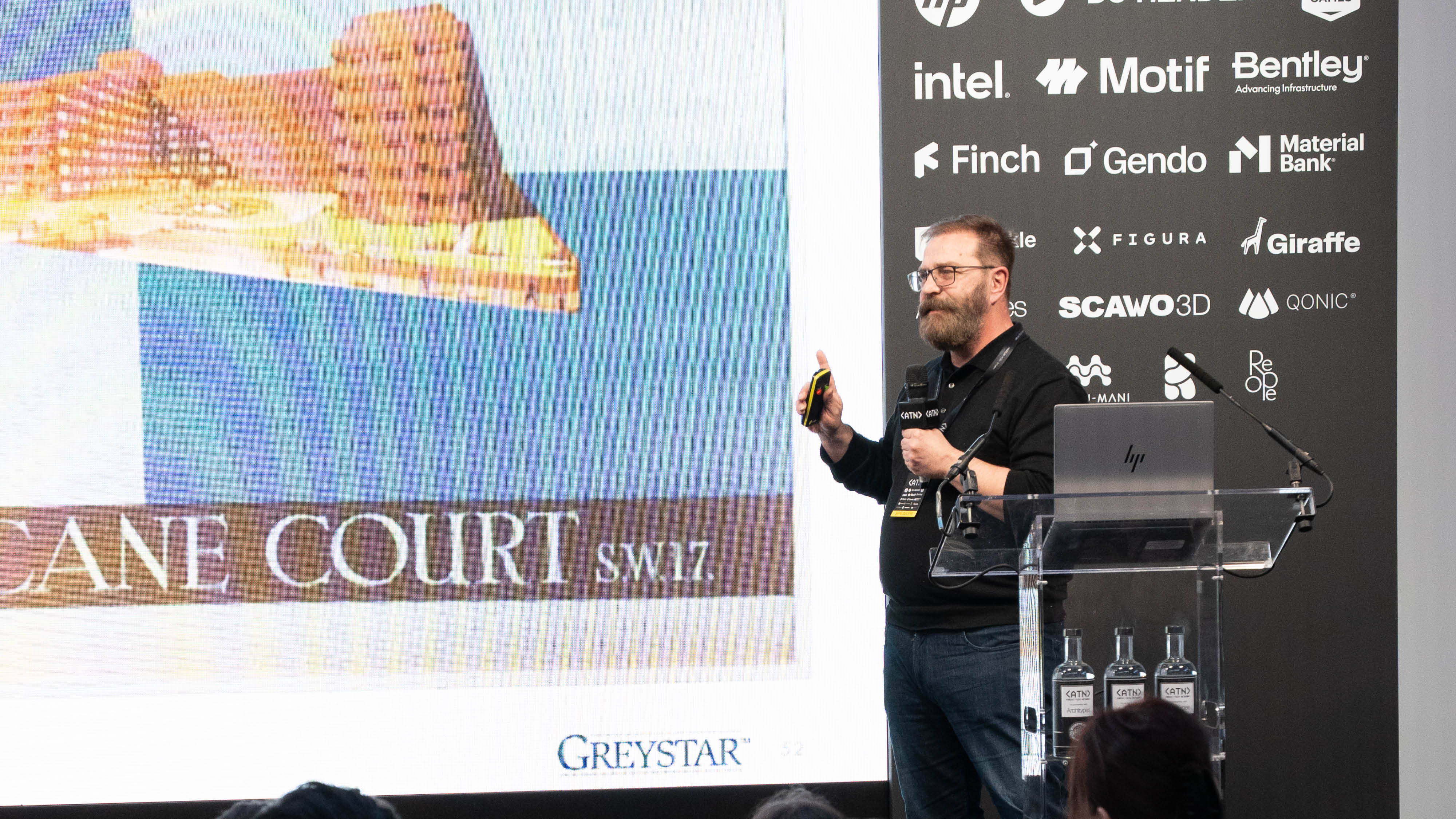
In this talk, Gray explores how architects can regain influence in an increasingly fragmented development process by reconnecting design with cost, operations, policy, and long-term value. Drawing on his experience at Greystar and Giraffe, he reflects on the scale and complexity of housing delivery across global markets, and argues that architects have gradually been pushed out of the centre of decision-making as other specialists have taken over key parts of the process. Rather than seeing AI and automation as a threat to architecture, Gray suggests they could become the tools that help architects reclaim that central role, bringing cost control, planning, technical coordination, and design intelligence back into one integrated workflow. The talk also challenges assumptions around housing, density, and policy, showing how resident preferences often differ from industry orthodoxy and why successful communities depend on a deeper understanding of how people actually want to live. Ultimately, it is a call for architects to stop focusing only on form and image, and instead become strategic narrators of the whole process, shaping not just buildings, but the systems, economics, and communities around them.