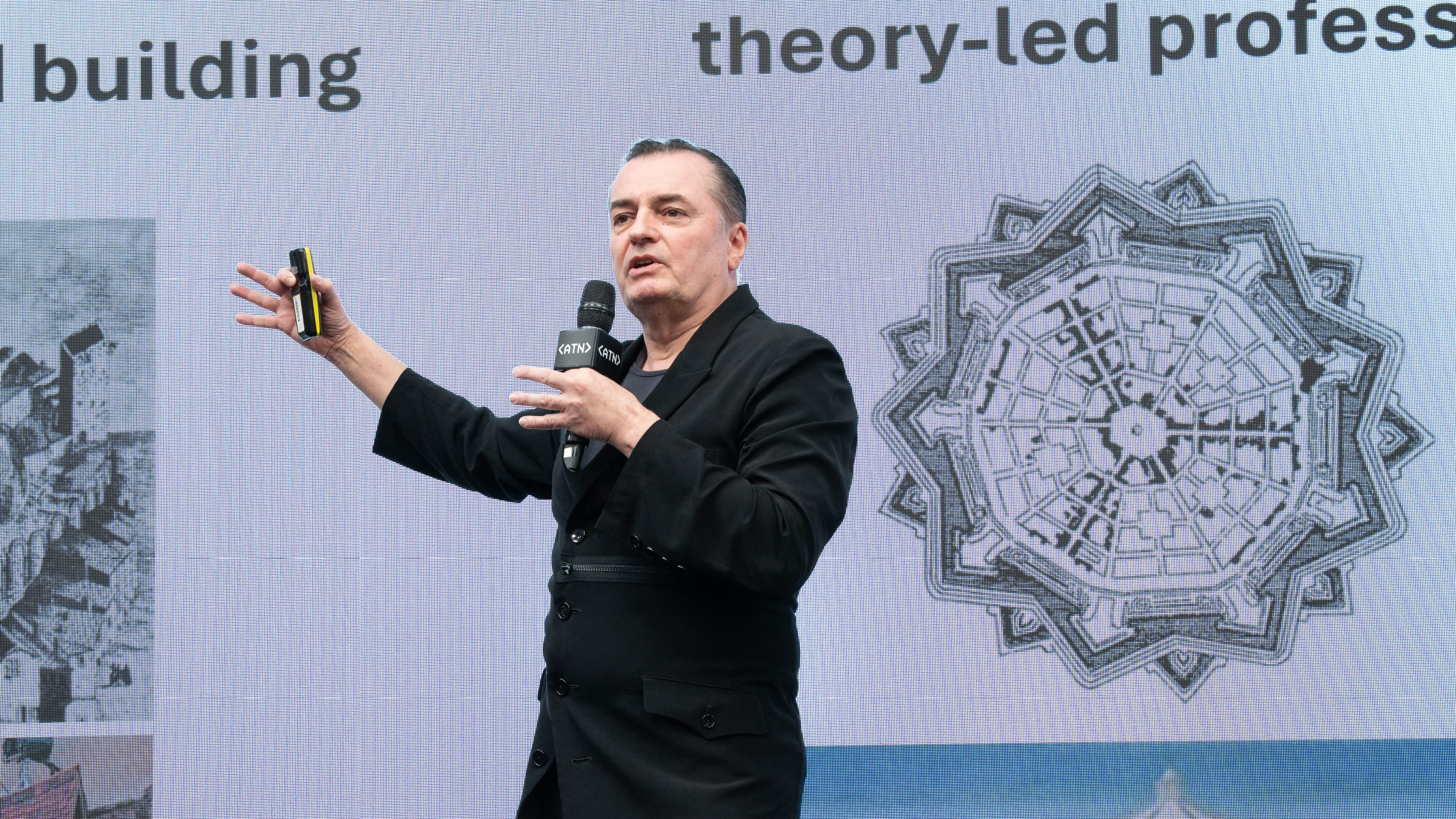
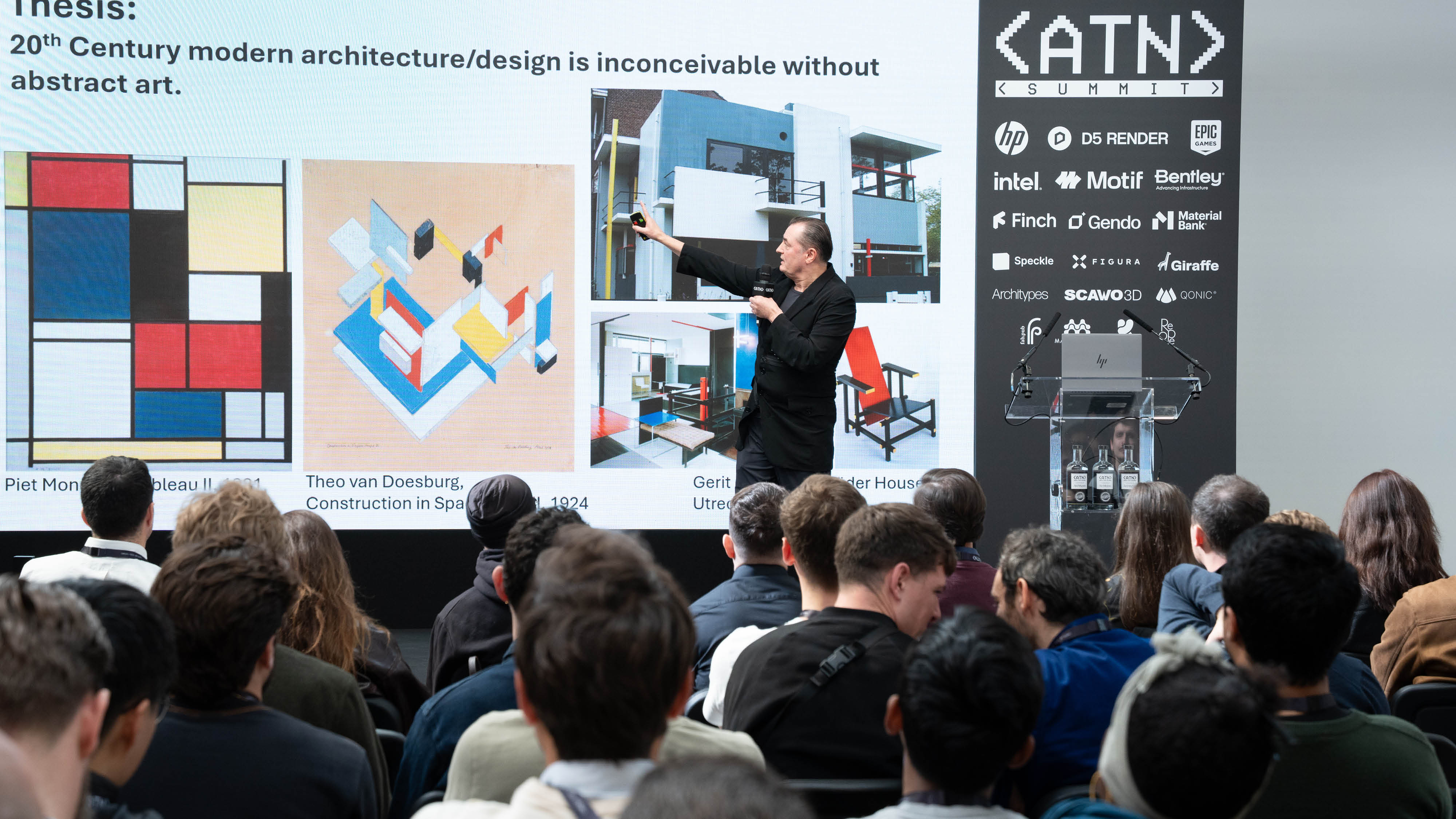
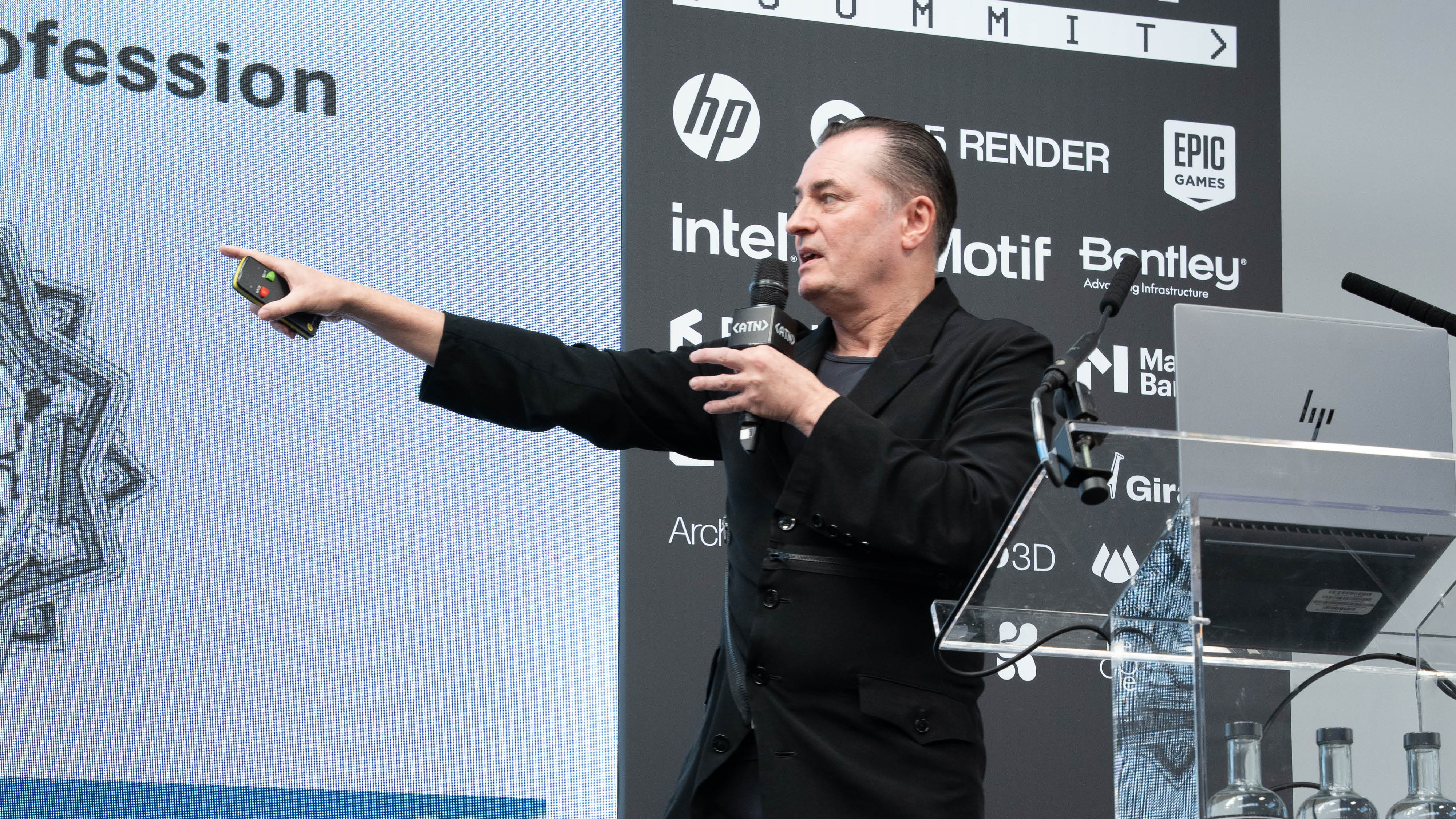
Patrik Schumacher presents a compelling argument for how architecture must evolve in response to an increasingly complex, networked, and technologically driven world. Rather than competing with engineering or purely technical disciplines, he positions architecture’s core competency as the organisation of social life through space—shaping how people interact, navigate, and understand the built environment.
The talk explores how design can move beyond problem-solving to become a tool for structuring communication, behaviour, and social order. Drawing on decades of research at Zaha Hadid Architects, Schumacher highlights the role of avant-garde experimentation, parametric design, and continuous innovation in expanding architecture’s formal and functional possibilities.
Through themes of spatial legibility, wayfinding, symbolism, and user interaction, he outlines a vision for architecture that is more intuitive, adaptive, and socially intelligent. The session ultimately frames architecture as a discipline that must leverage computational tools and design research not just to build more efficiently—but to create environments that better support how we live, work, and connect.


%202.avif)


.png)




.avif)
















.avif)