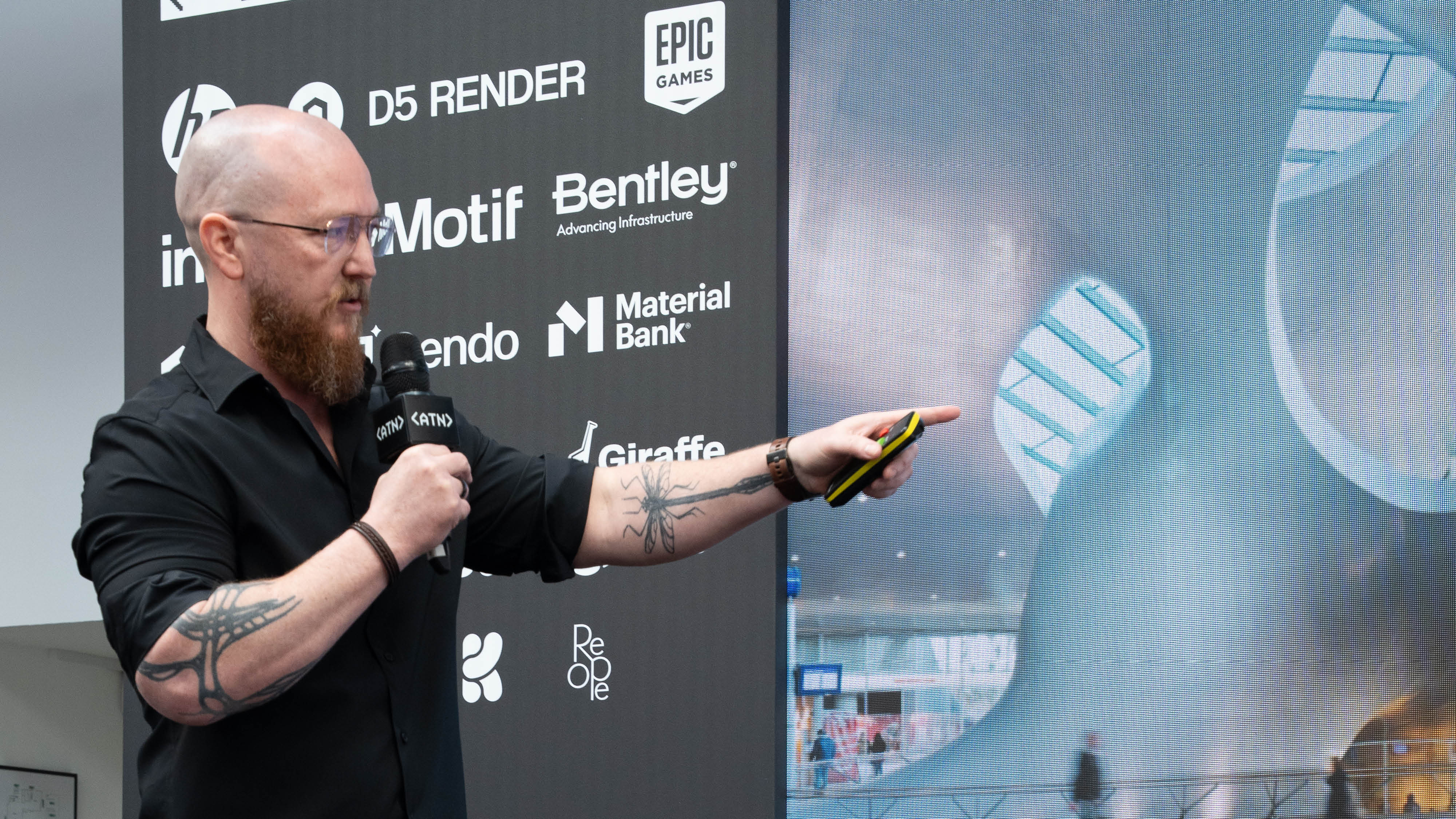
In this talk, Harlen Miller from UNS explores how architectural intent can survive long project timelines, changing teams and evolving technologies. Using a series of legacy UNS projects, he shows that the greatest risk to design coherence does not happen at the sketch or visualization stage, but when a project leaves the office and must be carried forward by others over many years.
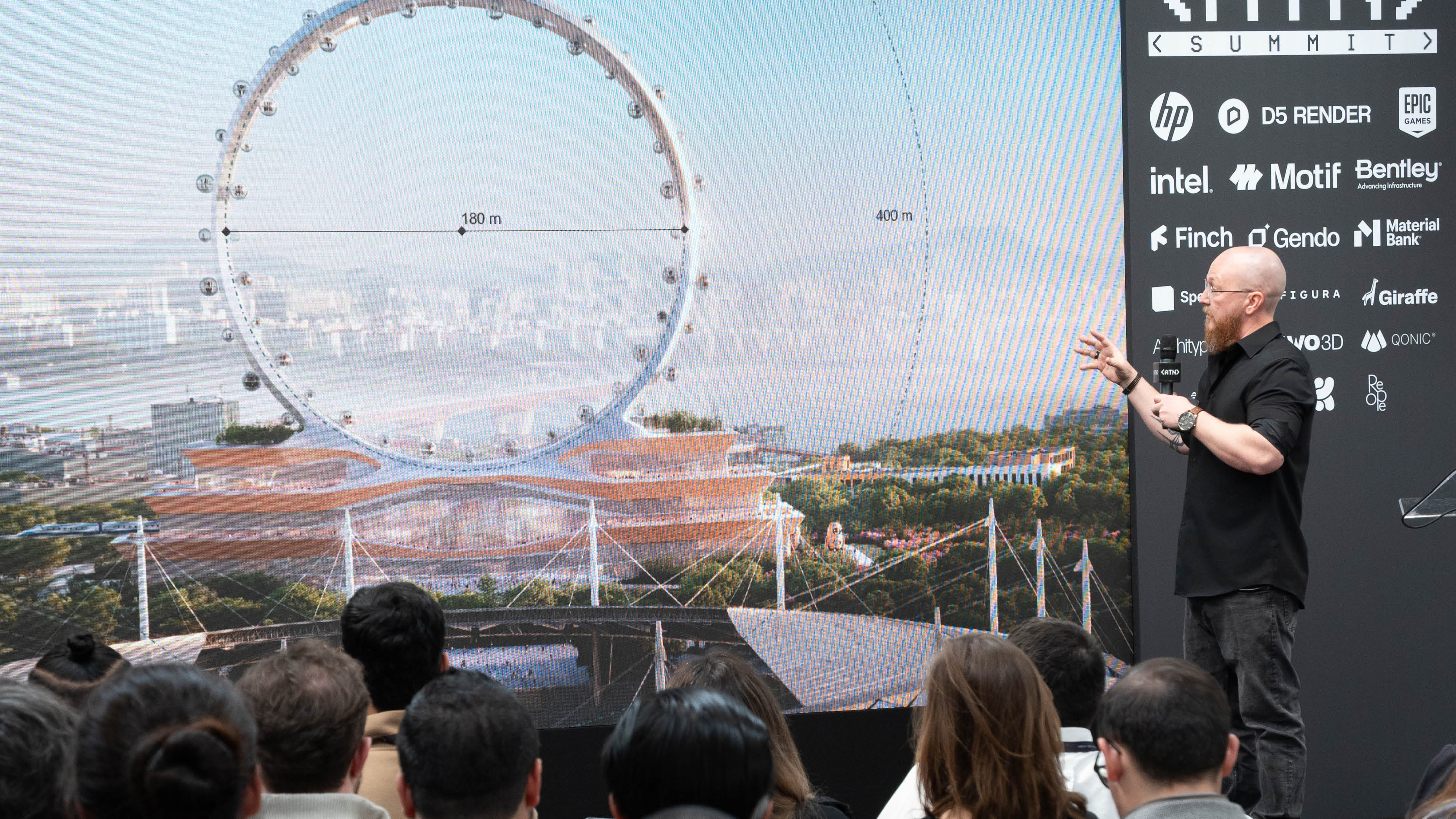
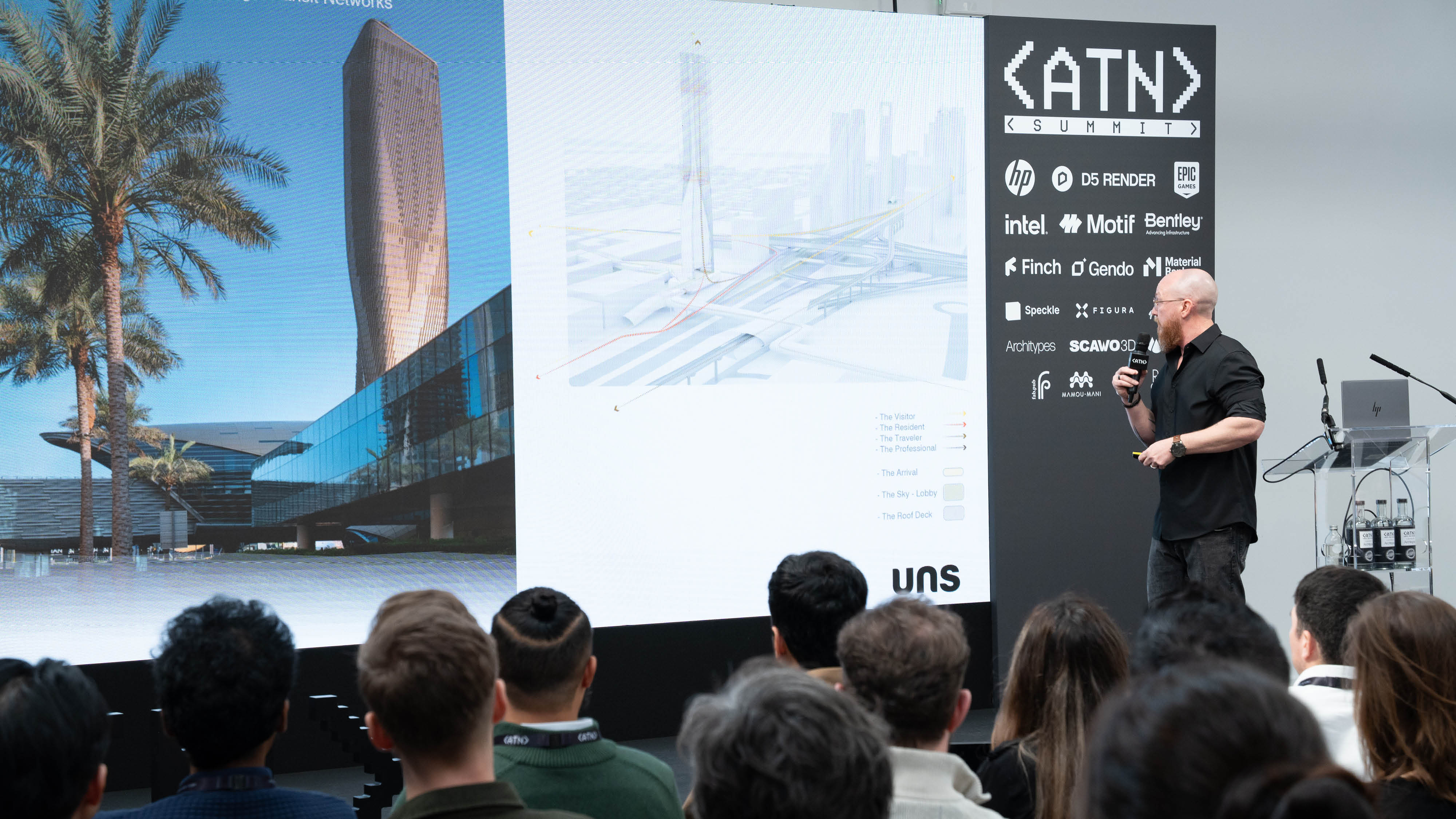
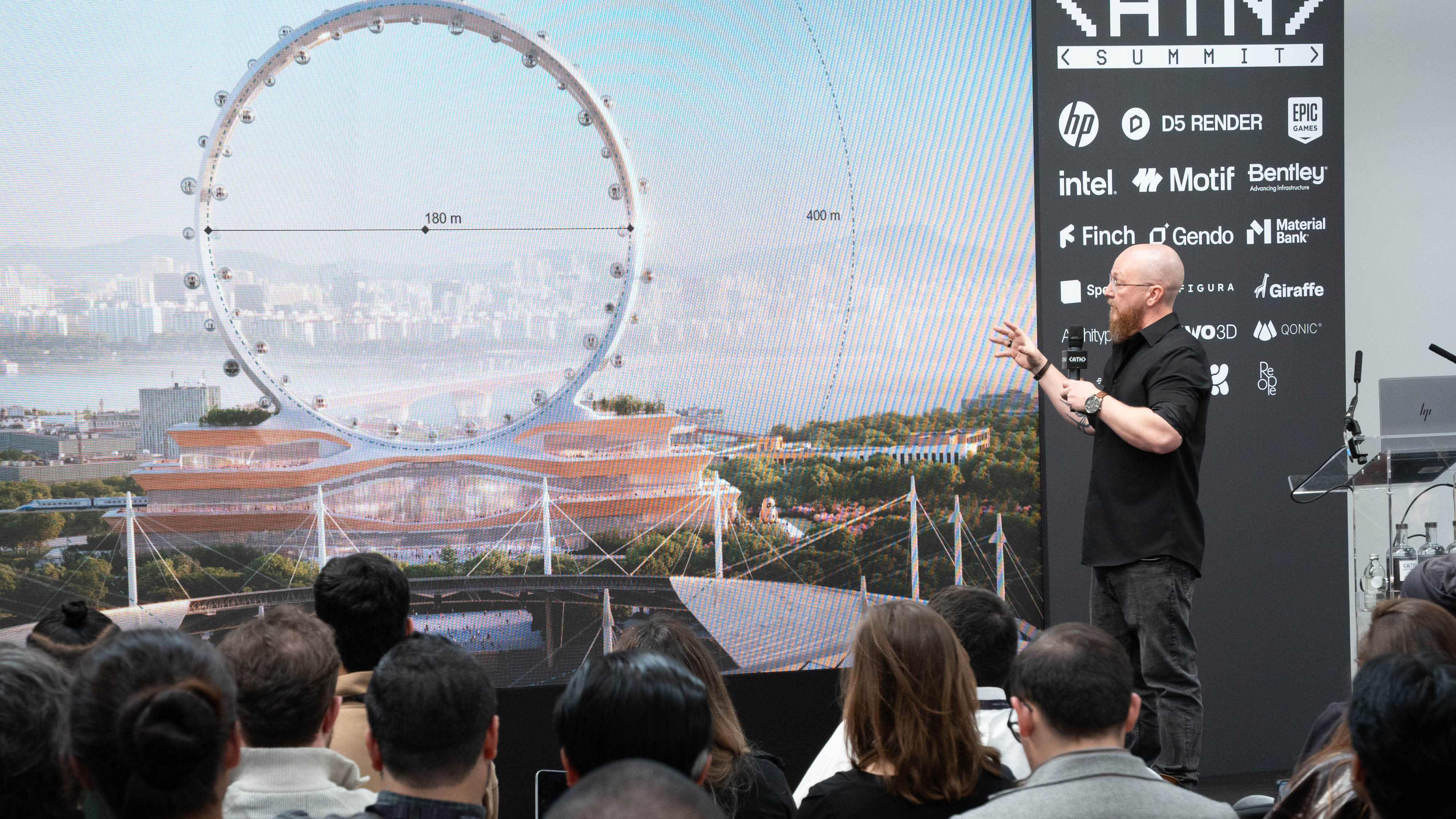
From the Erasmus Bridge and Arnhem Central Station to the Mercedes-Benz Museum and large-scale wheel and tower projects, Harlen traces how design ideas, technical systems and embedded narratives are documented and transmitted across decades. He highlights the importance of both digital and analog methods, from clean geometric logic and rationalized models to clear documentation practices and deeply embedded design intent.
At the center of the talk is the idea of “lossless transcription”, a way of ensuring that architecture remains legible, buildable, and true to its original ambitions even when projects pause, teams change, or technologies evolve. Rather than focusing only on the newest AI tools, Harlen makes the case for something more foundational: architecture as a message sent forward in time, one that must be carefully encoded so others can accurately receive, interpret, and realize it


%202.avif)








.avif)
















.avif)