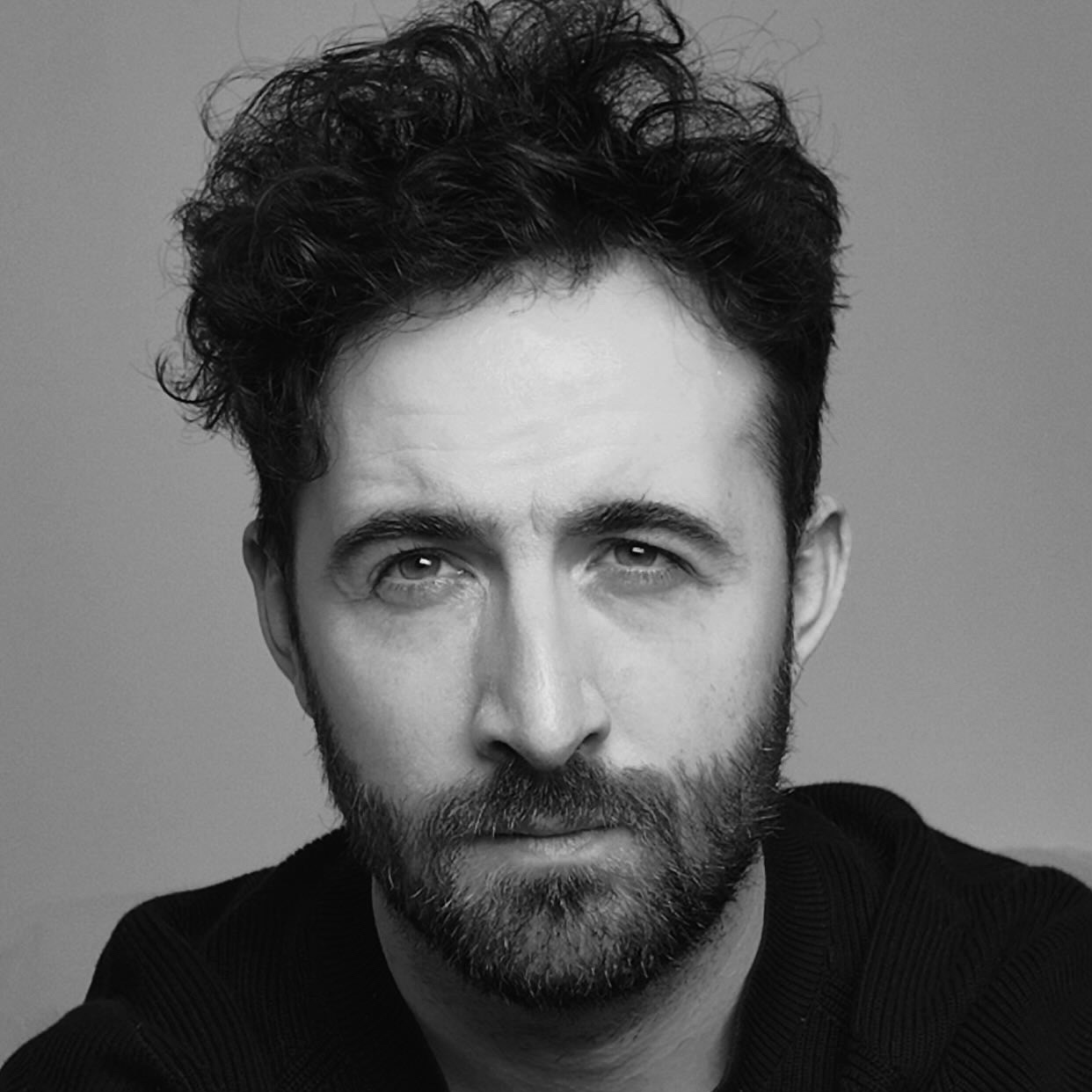
In this talk, Cathal Crumley reflects on how his relationship with architecture changed from quietly admiring canonical buildings to using content as a way to question, communicate, and challenge the profession. Starting with personal experiences of architectural obsession, disappointment, and frustration, he describes how traditional architectural culture often speaks mainly to other architects, leaving wider audiences disconnected from the value of architecture. He uses this shift to frame architecture not just as buildings, but as criticism, communication, humor, and public conversation.
Cathal explores how social media, video, and digital platforms have become new tools of architectural representation. For him, content creation is not separate from architecture, but another way of sketching, explaining, and testing ideas. He argues that architects are already highly skilled communicators and visual thinkers, but often underestimate how those skills can translate into new forms of storytelling and cultural engagement. Through humor, critique, and experimentation, he shows how architects can use these platforms to make the profession more relatable, visible, and self-aware.
Ultimately, the talk is a call to embrace architecture as something broader than practice alone. Cathal suggests that making content can become a serious form of architectural work: one that critiques the profession, reaches audiences beyond its usual bubble, and opens up new ways of expressing the value of design. His message is that architects should not wait for permission to speak, but use the tools available to build their own voice, audience, and mission.


%202.avif)





.avif)
















.avif)