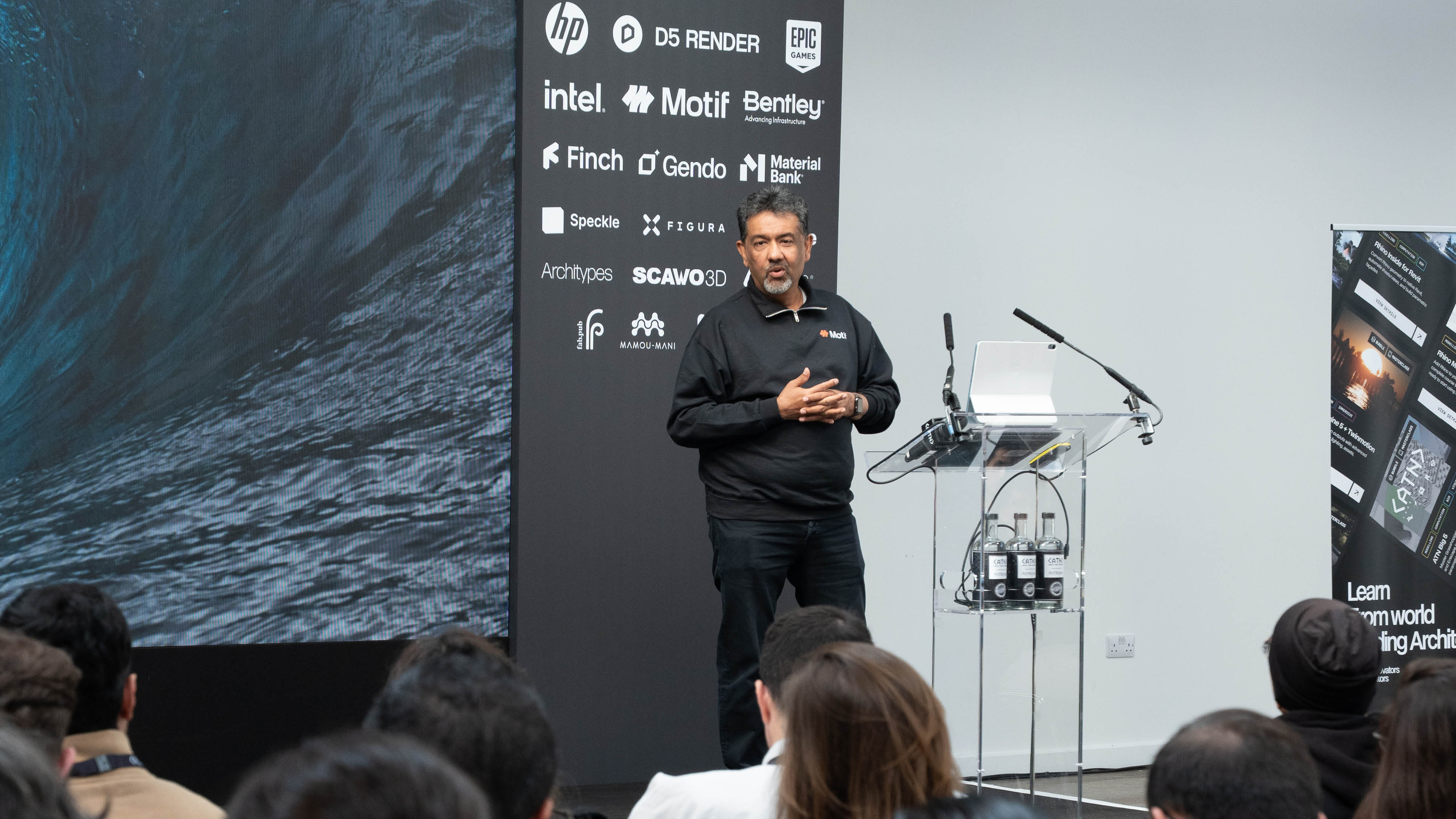
In this talk, Amar from Motif explores how AI is reshaping architecture and why this moment represents more than just another software shift. Rather than focusing on automation alone, he looks at the deeper challenge facing design and construction practices: how to navigate change in a way that strengthens, rather than weakens, the role of architects.
He argues that the real opportunity lies in encoding the knowledge that today often lives in people’s heads, project habits and disconnected tools. From assemblies and workflows to standards, judgment and design intent, Amar suggests that firms need to think about how their expertise can become scalable, computable and reusable. In this view, AI is not simply about replacing tasks, but about turning fragmented practice knowledge into something that can support better collaboration, faster iteration and stronger institutional memory.
The talk also reflects on the bigger platform shift now underway in the industry. Amar makes the case that architecture is entering a new era where data, intelligence and agent-based workflows will increasingly sit at the center of design technology. His message is clear: firms can either wait for these systems to be shaped around them, or actively help define the tools and workflows that will shape the next generation of practice.


%202.avif)


.svg)





.avif)
















.avif)